The climate in the Congo Basin is tropical, with relatively heavy rainfall during certain periods of the year. The average minimum temperature is 20°C, while the average maximum temperature is 32°C.
The Congo
A lush utopia,
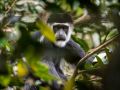
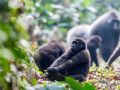
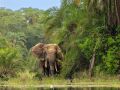
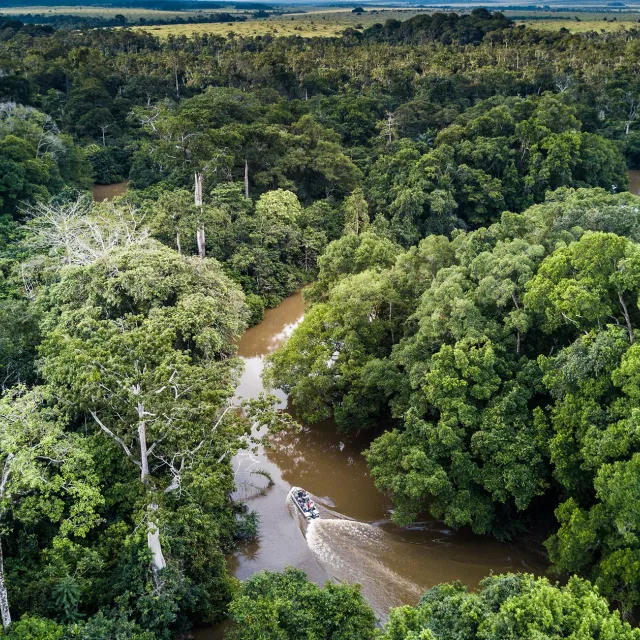
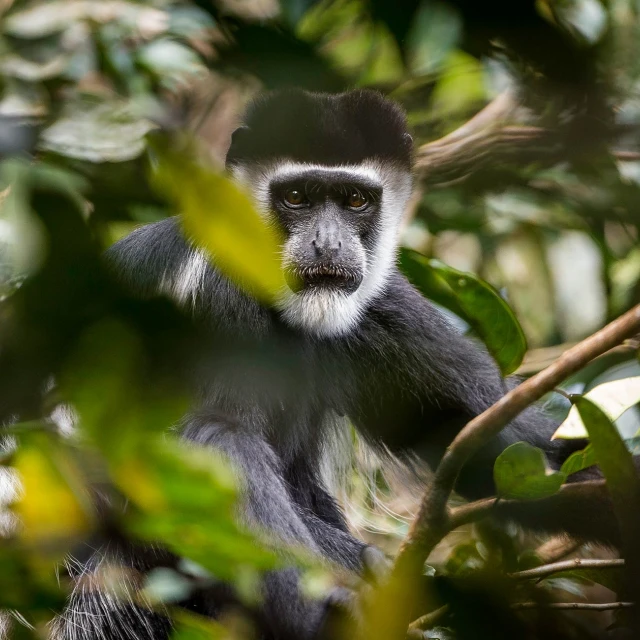
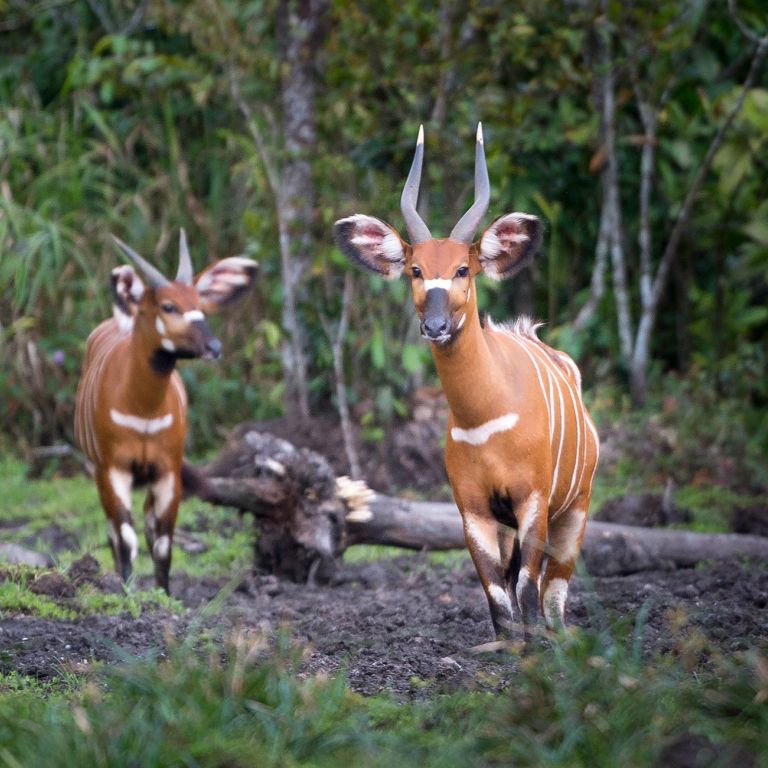
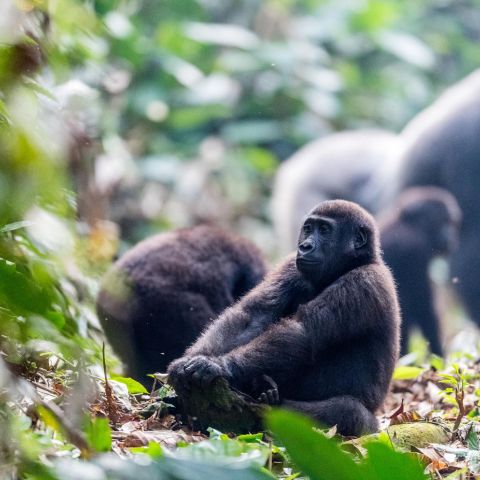
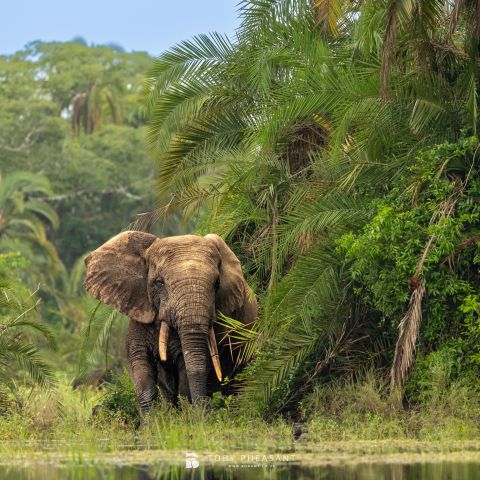
This vast, wild region, with its wide range of landscapes, is home to an incredible diversity of life. It holds globally significant populations of Western Lowland gorilla and Forest elephant as well as a plethora of other species: 430 bird species and more than 100 mammal species of which around 50 are classified as medium- or large-sized. It has the highest number (11) of diurnal primates for any forest block in central Africa, as well as central Africa’s highest density of chimpanzees.
Republic of Congo is a former French colony on the northern bank of the Congo River. Its modern history began with the late 19th century explorations of Pierre Savorgnan de Brazza, after whom the capital is still named. Despite significant oil wealth, Congo initially had a troubled time as an independent nation but is now a calm, stable and rapidly developing country of some 4.5 million people, which plays a leading role in African affairs and is investing more of its oil wealth in development and infrastructure.
Many traces of French colonial rule remain, but Congo is forging a new identity for itself. The people are invariably friendly and welcoming, and look forward to their tourism sector growing. With past troubles now firmly behind them, the future looks bright for the people of Congo.
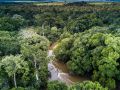
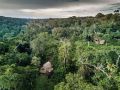
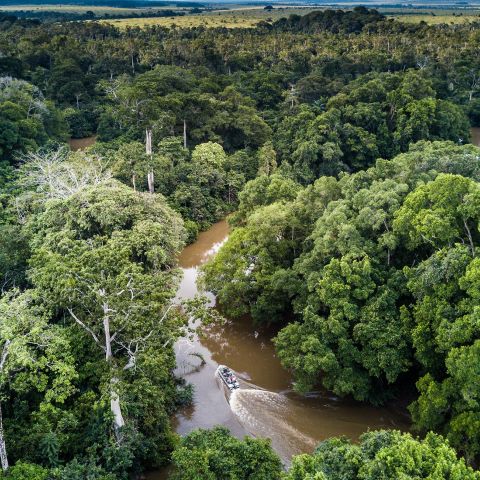
The vast green wilderness that is Odzala-Kokoua National Park has a multitude of habitats. In general, the north of the Park has dense forest covering many steep-sloped hills, while in the west a major escarpment runs roughly north-south from which the altitude drops 350 metres into low swampy forest. The southern part of the Park is characterised by pockets of savannah dotted with forest islands, bisected by the rivers and their associated gallery forests.
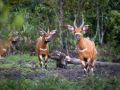
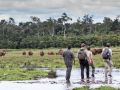
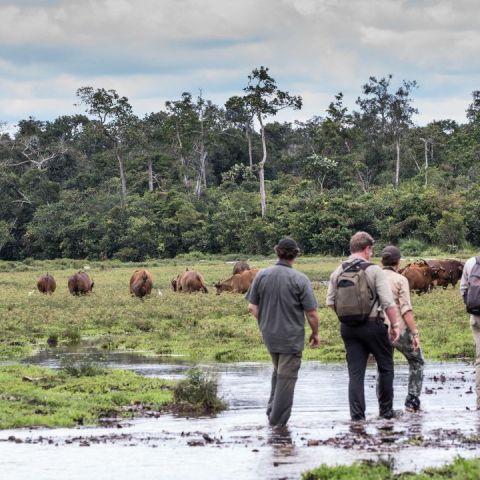
A primary feature is the occurrence of “bais” or salines. These are swampy, grassy clearings in the otherwise dense thickets that forest wildlife visit on a regular basis to drink, feed on sedges and grasses, and obtain minerals and salts. These bais range in size from less than a hectare to more than 10 hectares and represent the best chance of seeing forest wildlife. In Odzala-Kokoua it is best to visit the selection of relatively small bias as they offer the best opportunity for close up viewing of various species.
What to see
Odzala-Kokoua National Park
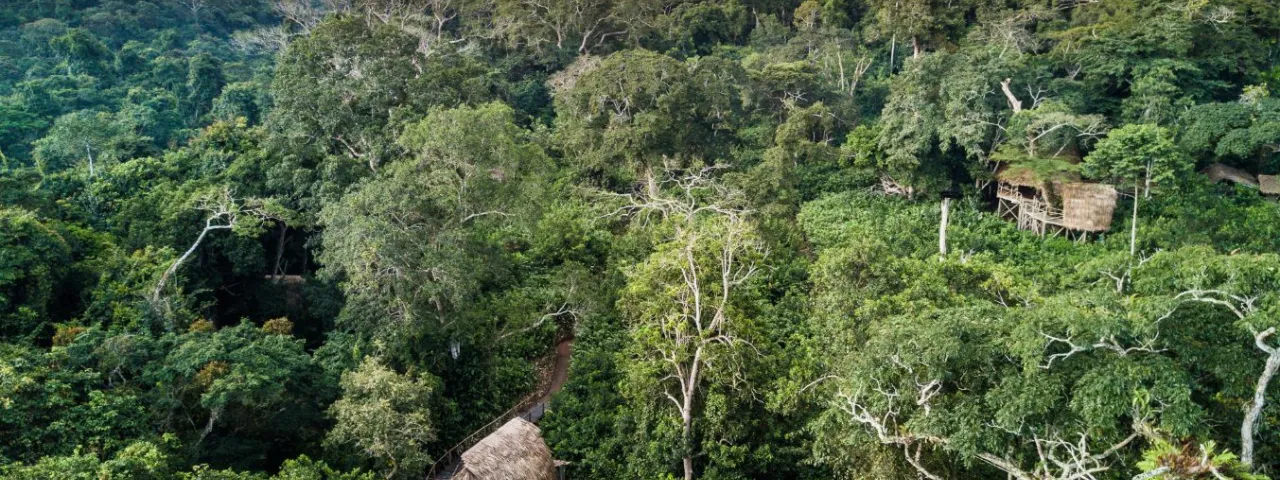
A nature-lovers paradise, Odzala-Kokoua is one of Africa's oldest national parks. It lies right in the heart of a tropical rainforest and is home to critically endangered wildlife, vast numbers of birds and acclaimed conservation projects.
Itineraries
David M | South Africa, Zambia & Malawi
"They took the time to get to know us, create a personalized itinerary based on our interests, tweak it several times (we're indecisive) to make sure it was absolutely perfect, and all the while working around our communication schedule. The most amazing trip we have ever been on and I don't think it would have been as perfect if not for Toby's expertise."
JAN
FEB
MAR
APR
MAY
JUN
JUL
AUG
SEP
OCT
NOV
DEC
Good time to visit
Best time to visit
Where to stay


-(1).jpg)